To front page
To front page
Search
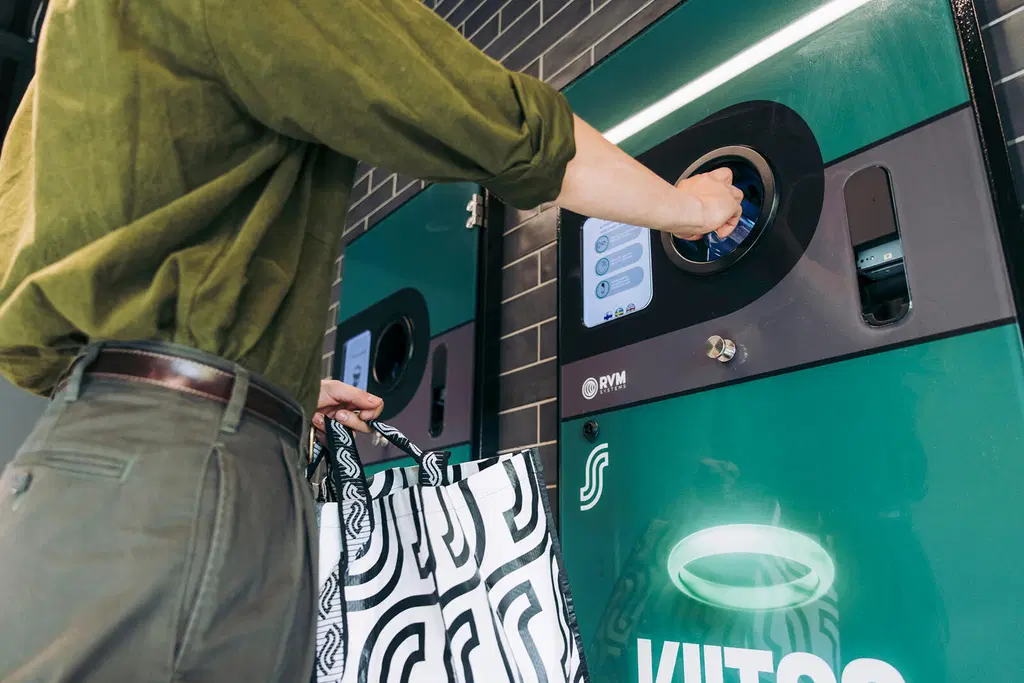
A person is returning bottles to a bottle return machine

Circular economy

Excessive use of resources and changes in the availability of raw materials, as well as the limited end uses of the raw materials used in products, are affecting and will continue to affect our operating environment. Circular economy solutions allow us to curb the climate change and also impact biodiversity. By keeping raw materials in circulation longer, we can influence the sustainable use of natural resources.
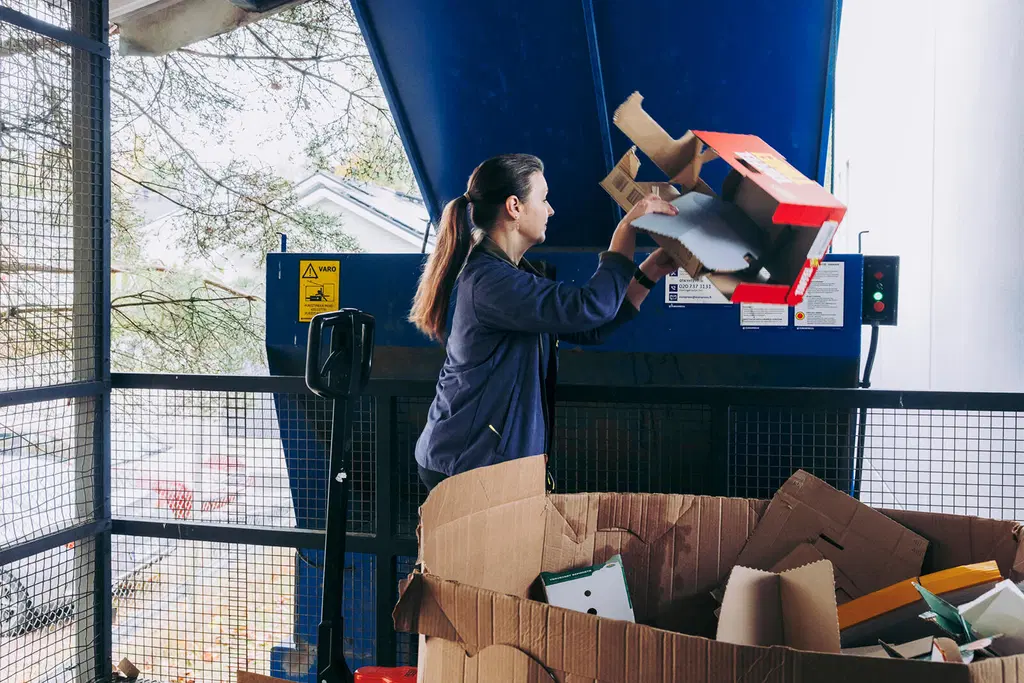
A store employee throwing cardboard waste into cardboard compactor

Recycling raw materials

  • Our goal is to recycle 80% of waste as materials or raw material for new products. In 2025, most (76%) of the waste we generated in Finland was taken to be reused as materials or energy.
  • We also participate in the material efficiency commitment for the food industry that seeks to reduce the environmental impacts of food production, distribution and consumption.
  • The importance of return logistics has increased in recent years, even in terms of material efficiency. The re-use of packaging has also significantly increased in our logistics, and in addition to conventional wooden pallets and trolleys, we are also increasingly using plastic fruit and vegetable boxes, flower buckets and candy boxes in our logistics.
  • The recycling efforts of our customers are helped by an extensive recycling network at our outlets.

BY THE END OF 2025

80%

OF MATERIALS WILL BE RECYCLED OR TURNED INTO NEW PRODUCTS

A person wearing a long red dress holding a veggie filled tote bag which has a text in Finnish about reducing food waste

Food wastage

  • The goal is that food wastage is halved by the end of 2030. The goal is in line with UN’s Sustainable Development Goals.
  • One of our visible methods of wastage management is red-labelled products at stores. in 2025, our grocery stores sold a total of some 92 million red-labelled products.
  • All of our cooperatives utilise Hävikki (Wastage) boxes and bags model of operations, where fruit and vegetables that are still good to eat but do not meet the strict quality criteria are packaged and sold at low prices to customers.
  • Food is also donated to charity, and S Group has some 300 food aid partners.
  • We cooperate with food rescue service ResQ Club. In 2025, the service helped us rescue almost 200,000 helpings of food from our restaurants, grocery stores and ABC.
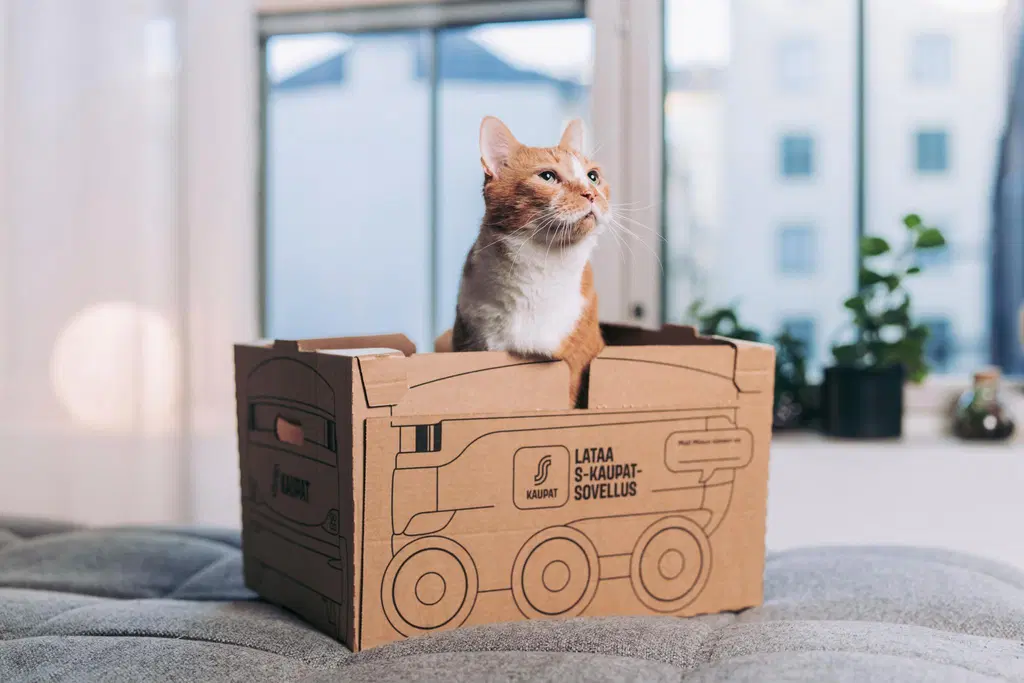
A cat sitting in an S Group cardboard box

Packages

  • We participate in the New Plastics Economy Global Commitment that seeks to reduce the unnecessary use of plastic, develop reusable packaging and increase the efficiency of recycling.
  • We participate in the national plastic bag commitment that sought to reduce the use of plastic bags. The goal is for every Finn to use no more than 40 plastic bags per year by the end of 2025.
  • The goal is to reduce the amount of virgin plastic by 20% in the grocery trade’s private label packaging and plastic bags by the end of 2025, compared to 2018. S Group’s private labels include the Rainbow and Kotimaista labels.
  • We have increased the use of recycled raw materials in recent years. In addition to conventional shopping bags, recycled raw material is utilised particularly for packaging private-label detergent products. All Rainbow laundry detergent packaging today, for example, contain recycled plastic. Recycled plastic is already used instead of conventional virgin plastic in the packaging of approximately 70 of our private label products.
  • The packaging of all S Group’s private-label products can be sorted for recycling.
  • Clear sorting instructions can be found in almost all of our private label packaging to make it increasingly easy for customers to sort packaging into recycling.
  • Our plastic policy includes practical targets and actions to promote the responsible use of plastic.