To front page
To front page
Search
Breadcrumb
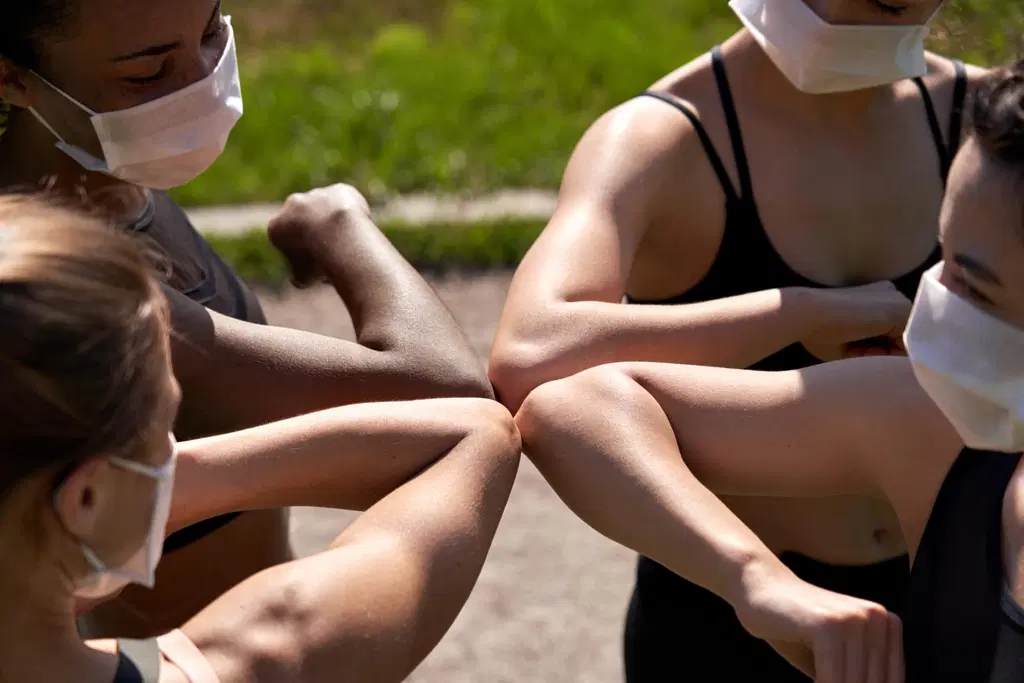
Four people bumping elbows in a circle

Towards an equal world – by removing inequality

A diverse work community, towards a sustainable supply chain. We take responsibility for people and work to ensure that our own and our partners’ employees are treated fairly, both at our locations and elsewhere in the world. S Group is committed to respecting all internationally recognised human rights.

Human rights

We are committed to respecting all internationally recognised human rights and promoting them in our operations. We expect the same of our partners. Companies must be aware of the effects of their operations on human rights, both near and far. Our operations have an impact, in particular, on the human rights of customers, employees and the employees of the providers of products and services within the supply chain.Our human rights principles describe how we identify and assess the impact of our activities on human rights. In addition, they indicate the practices we have to minimise and eliminate any adverse impact. Read more about the principles here.From our customers’ perspective, the most essential human rights are non-discrimination, the right to health and children’s right to special protection. Above all, non-discrimination means the equal treatment of customers.We play special attention to making our locations and services as safe and accessible as possible. We ensure product safety through careful self-monitoring, such as the monitoring of the cold chain. In addition to ensuring product safety, we safeguard children’s rights by enforcing age limits, for example.From our employees’ perspective, the most essential human rights include occupational safety, equality and non-discrimination. We also respect employees’ right to join trade unions and do not tolerate any kind of discrimination or harassment.In addition, our operations have an indirect impact on the human rights of the employees in the supply chains of products and services. We use third-party audits to monitor occupational safety and the implementation of employees’ freedom of association and other labour rights, particularly in countries that are high-risk in terms of social responsibility.Certain sectors entail an increased risk of labour exploitation irrespective of the country in which the production of a product or service takes place. We have therefore also directed preventive measures towards these sectors, including the use of a digital survey tool designed for supply chain workers to support the identification of potential adverse impacts. S Group has also established guidelines for the prevention of human trafficking and labour exploitation.To supplement traditional audits, we introduced the Radical Transparency model in 2018. This is a new type of research model that examines the root causes of human rights issues. It enables us to address current issues related to products and production countries in more detail and seek new types of effective solutions in cooperation with our partners. We publish the results of these studies. The first Radical Transparency study was carried out by Oxfam, an independent non-governmental organisation, in the Foggia region in southern Italy. You can download the report The people behind the prices here.The second assessment conducted using the research model was carried out in cooperation with Save the Children at textile factories in Bangladesh. The assessment report can be accessed here.

Ethical principles

  • Two people shaking hands

    Ethical principles

    The ethical principles apply to all personnel of the S Group and have been approved by the Boards of Directors of SOK and the regional co operatives.
  • S Group Whistle Blowing Channel

    S Group is committed to operating openly, transparently, and in observance of ethical principles. Because an ethical operating culture is important to us, we have partnered with WhistleB to offer an anonymous reporting channel that will allow you to report any suspicion of misconduct on our part, or of actions that violate our ethical principles.

Responsible procurement

We have worked for a long time to ensure responsible procurement. Our procurement operations are guided by the principle of non-discrimination, product-specific quality requirements and a commitment to respecting human and labour rights in purchases made from high-risk countries.In the procurement of our private label products, responsibility and product safety are ensured throughout the process. Our procurement contracts require the providers and manufacturers of raw materials to comply with the requirements of the law and collective labour agreements, human rights and international minimum labour standards.Our principle is that direct purchases of our own brand and own import products from risk countries are from audited suppliers. Audits refer to factory inspections, such as amfori BSCI audits or equivalent third-party audits. In the amfori BSCI system, independent auditors inspect production plants to ensure that the criteria of the Code of Conduct are met in practice. Audits cover, for example, working time and occupational safety practices, as well as the payment of the statutory minimum wage.Read more about the responsibility of our textiles.Collaboration in various international sustainability initiatives is essential for advancing responsible sourcing. We are a member of the international amfori sustainability system and have actively participated for years in the development of the system and its tools through working group and board work. The goal of amfori is to improve the working conditions of employees to the level required by international labour and human rights agreements and to have an impact on environmental issues in the supply chain, as well as to clarify and harmonise the monitoring of supply chains by companies.S Group is also a member of the Sedex (Supplier Ethical Data Exchange) initiative and the International Accord initiative. Third-party inspections are carried out at the garment factories used by the companies that have joined the Accord, and the corrective measures and training undertaken on the basis of these inspections improve the fire, electrical and building safety of the factories. All Bangladeshi factories producing clothes for S Group’s private labels or its import operations are included in the Accord process. The Accord expanded to Pakistan at the end of 2022, where its operations began in 2023. S Group is also involved in the Pakistan Accord.

Disclosing the country of origin

It is important for us to disclose the origin of products to the customer as transparently and conveniently as possible. For our private label food products, we indicate the country of manufacture, the manufacturer, and the origin of the main raw materials used in production on the product packaging.For our private label non food products, such as home textiles and apparel, information on the country of manufacture is likewise provided on the product packaging or in the care instructions. For the majority of our own brand textile products, factory information is included on the care label.In addition, we publish the factory information for our private label and imported textiles annually.

Disclosing the country of origin

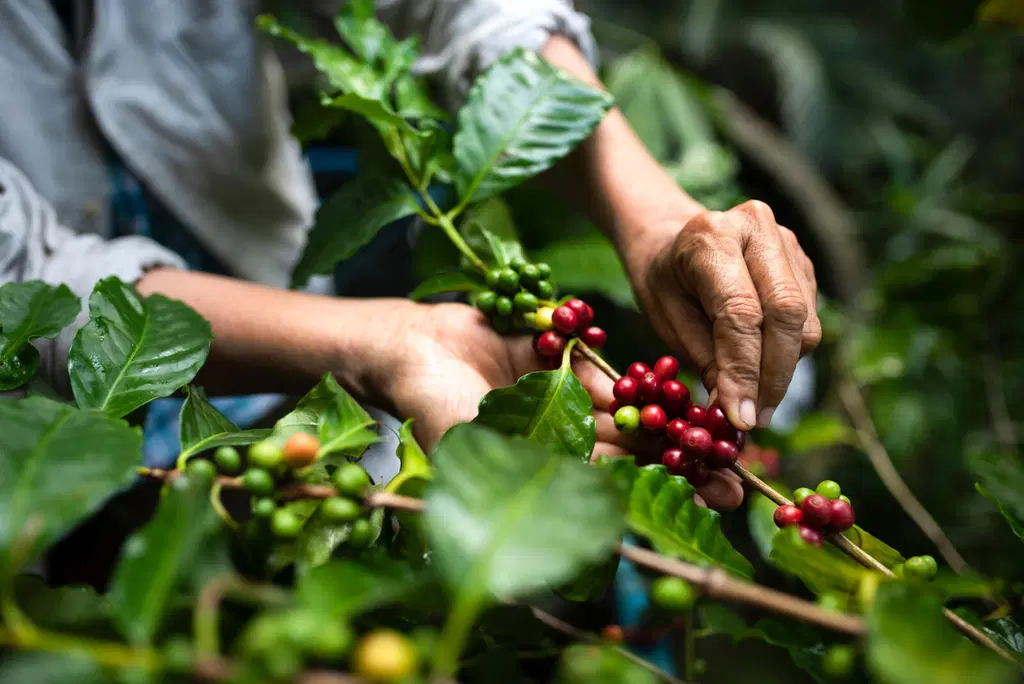
  • Hand-picking coffee cherries

    Coffee, tea and cocoa

    We are committed to procuring sustainably and responsibly produced coffee, tea and cocoa for S Group’s private label products. S Group’s restaurants are committed to procuring sustainably and responsibly produced coffee and tea.
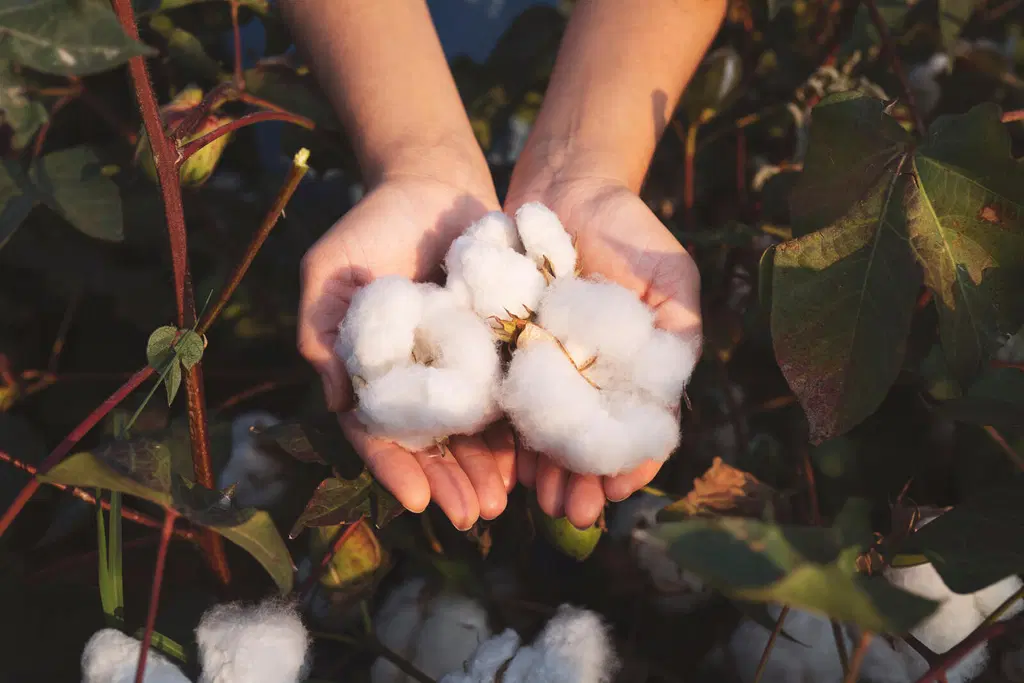
  • Three cotton balls held in the palms of someone's hands

    Cotton

    S Group is committed to gradually move towards using only responsibly produced cotton in our own brands and our own imports. The decision applies to our own brand clothing and home textiles in all Prisms, S-markets, Sokos department stores and Sale and Alepa stores.We are the first Finnish retailer to make the decision to commit to responsible cotton. We will gradually implement the change in our own brands and in our own imports and the aim is that the cotton is to be 100% organic, recycled, in line with Fair Trade or the Better Cotton Initiative. Cotton from Turkmenistan, Uzbekistan or Xinjiang region in China is not permitted.
  • oil palm

    Palm oil

    S Group’s goal is to only use certified palm oil traceable to palm oil plantations in private-label products and in deep-frying oil in restaurants. S Group has been a member of the Roundtable on Sustainable Palm Oil (RSPO) since 2011. RSPO’s criteria for palm oil plantations include the conservation of biodiversity and the improvement of operations through ethical and ecological standards. S Group promotes the use of RSPO certified palm oil in its private-label daily consumer goods. Whenever possible, we also replace palm oil with alternative ingredients.
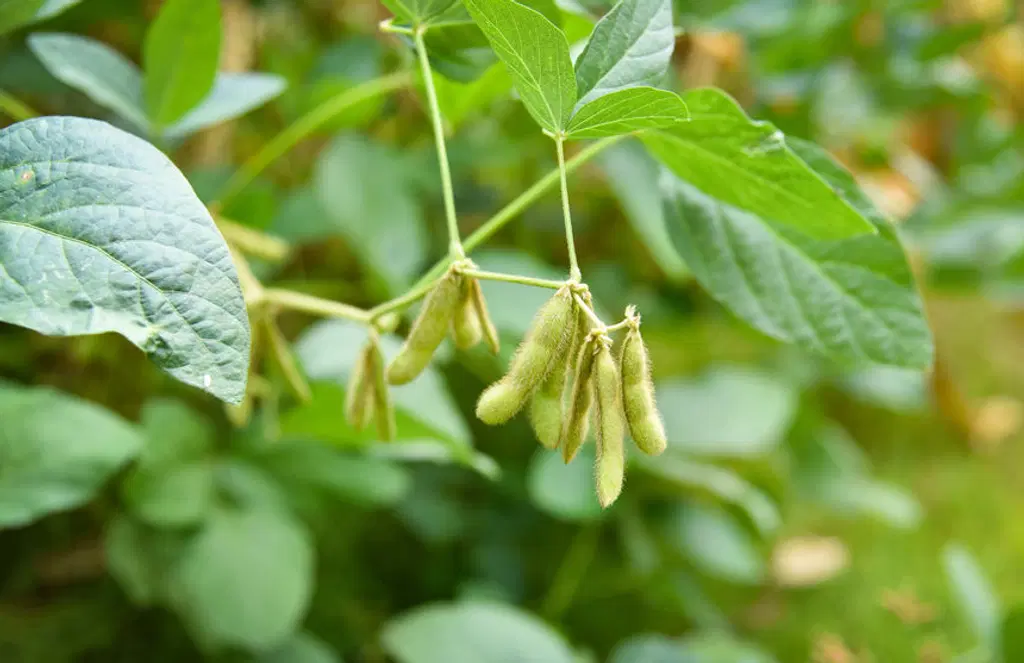
  • soybean

    Soy

    Our goal is that soy from high-risk countries that is used as an ingredient in our private-label products, as well as soy feed from high-risk countries that is used in the production chains of animal-based ingredients (meat, fish, dairy, eggs) for our private-label products are certified.Furthermore, our goal is that any soy from high-risk countries that is used in meals served in our restaurants and cafés as well as soy feed from high-risk countries that is used in the production chains of animal-based ingredients (meat, fish, dairy, eggs) for the meals is certified.Responsible soy certificates include Round Table on Responsible Soy (RTRS) and ProTerra. We also encourage our suppliers to use alternative raw materials in animal feed.

Principles of responsible media procurement

S Group’s media investments follow the ethical guidelines on marketing of the Council for Mass Media (CMM). They were used as the basis for producing principles to guide the procurement of purchased media. In accordance with the principles, media content must be in accordance with good practice and must not undermine the general public’s trust in the news or journalistic content. In media content, human dignity must be respected, and it must not incite discrimination. Media must not encourage, admire or allow violence, illegal activities or other conduct against society. Media must not encourage or seek to benefit from superstition or beliefs not supported by science.

Support for defenders of human rights

S Group has extensively and openly supported the civil society in order to support human rights in supply chains. Defenders of human rights are individuals or groups who promote the fulfilment of human rights locally, nationally or internationally. Typically, defenders of human rights are non-governmental organisations, representatives of trade unions and employees who highlight defects in working conditions.We do not interfere with the work of defenders of human rights or the functioning of civil society, including campaigns related to S Group. We expect that our partners also respect the work of defenders of human rights and the functioning of civil society, and we do not accept any type of interference from our partners. In situations where there is clear evidence of one of our partners interfering with or preventing the work of defenders of human rights or the functioning of civil society, we aim to exert pressure within the scope of our influence on our partner to stop this interference.